

6 Ways to Convince Your 6th Grader Math Is Cool


Let’s face it. Some of us became homeschoolers because we adore books, tea, and the Oxford comma—not because we dream of long division. We’d rather diagram sentences than balance equations. And yet, here we are, trying to convince our sixth grader that math is cool (while quietly Googling how to find the area of a trapezoid).

As someone who would rather read The Lord of the Rings than calculate slope, who would rather bake (and eat) a pie than remember the rules of pi, I’ve learned a few tricks to help both me and my math-wary kids survive and even thrive in middle school math. It turns out, math is cool … once you learn to speak its language (and maybe bribe it with snacks).
Here are six ways to show your sixth grader—and maybe yourself—that math isn’t the enemy.
1. Connect Math to Their Real-World Interests
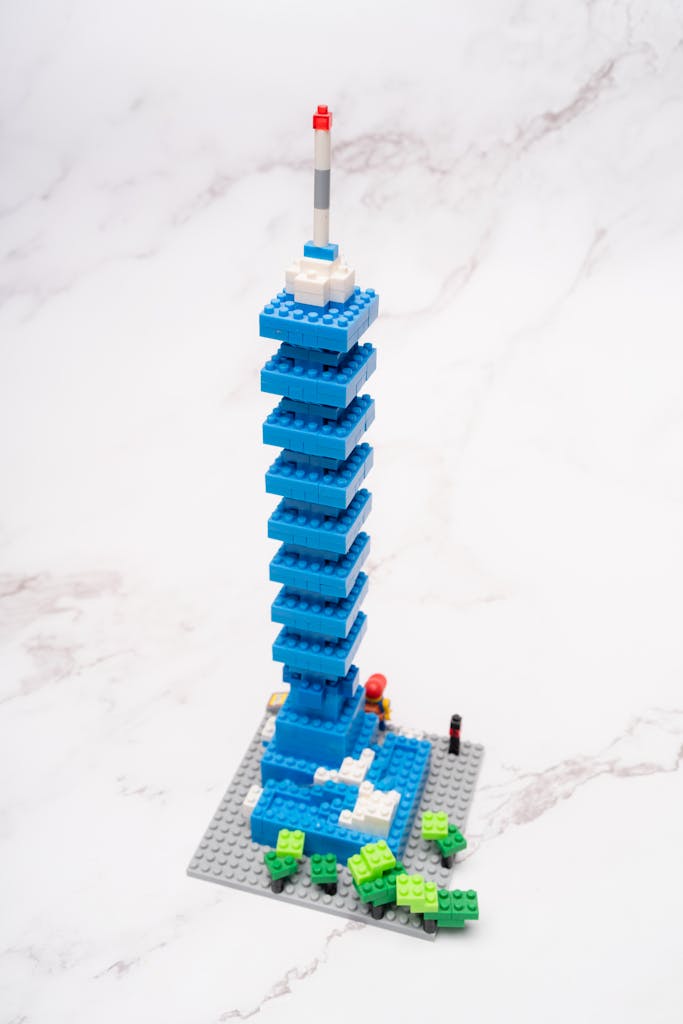
Does your child love baking or trying out new recipes? Gaming? Legos? Baseball? Bring math into their world. Fractions make more sense when you’re doubling a cookie recipe. Ratios become real when you’re building a Lego tower to scale. And percentages? That’s just figuring out how much XP they need to level up.
Remind them that math is the quiet brain behind the things they love—it’s just wearing glasses and carrying a clipboard. Kind of like a nerdy sidekick who ends up saving the day.
“Pure mathematics is, in its way, the poetry of logical ideas.” – Albert Einstein
(Or, as my daughter once said: Math is the poetry of my misery. Tomato, tomahto.)
2. Stop Saying “I’m Just Not a Math Person”
Ouch, I know. I’ve said it, too. But kids pick up on that attitude faster than a toddler picks up an MNM from the carpet. If we talk about math like it’s a foreign land only a few are allowed to enter, they’ll believe it’s not for them either.
Instead, let’s model curiosity: “I didn’t grow up loving math, but I’m learning with you—and it’s actually kind of fascinating.”
Even better? Let your child “teach” you. When they explain how they solved a problem, they reinforce their learning and feel empowered. You get a free math review and a chance to say, “Wow, you make this look easy!”
3. Use Humor to Break the Tension
Middle school math can be … tense. (Ask me about the day we battled decimals and nobody won.) So, make room for laughter. Look up math memes, share corny jokes, or tell your kid that algebra is just asking you to find its ex, and it doesn’t even know y.
One thing that has helped in our house is using a program like CTCMath, which breaks things down into short, clear video lessons. The explanations are gentle, straightforward, and—bless them—don’t involve mom trying to remember how to divide fractions without spiraling.
“Arithmetic is being able to count up to twenty without taking off your shoes.” – Mickey Mouse
And if Mickey can do it, so can we.
4. Make Faith-Fueled Connections to Show How Math Is Cool
As homeschooling families, we get the gift of showing how God is present even in subjects like math. Talk about the order and beauty in creation: from the symmetry of a snowflake to the precision of the planets. Patterns and laws in math reflect a God who is not chaotic but intentional.
Encourage your child that studying math is not just schoolwork—it’s uncovering the handiwork of a Creator who delights in structure, logic, precision, and detail. That gives even word problems a little more purpose, doesn’t it?
5. Find the Right Resources (That You Don’t Have to Invent)
Let’s be honest: the right curriculum can make all the difference. Whether your family thrives with online programs, living books, or hands-on manipulatives, find something that fits your child and doesn’t leave you feeling like a substitute math professor on your third cup of coffee.
One resource that’s been a game-changer in our home is CTCMath. It offers bite-sized lessons, automatic grading, and a clear path through each topic, meaning your child comes to realize math is cool without having to sort through the fluff and the superfluous. My child appreciates the simple layout and short videos, and I appreciate not having to reteach sixth-grade math with a whiteboard and a prayer.
6. Celebrate Progress—Not Just Perfection
Math can be humbling. One day it clicks, the next you’re in a standoff with a word problem that might as well be in Greek.
Celebrate the effort—yours and your child’s. Praise persistence. High-five the hard-won breakthroughs. Show them that learning math is like building muscle: small reps over time lead to big strength.
After all, cool isn’t just about being naturally good at something. It’s about sticking with it, seeing the value, and realizing you’re growing.
Programs like CTCMath make it easy to track progress and give you tools to celebrate those little wins along the way. It’s incredibly motivating for both you and your sixth grader to see measurable growth—even if it’s one tiny victory at a time.

In Closing …
Your sixth grader doesn’t need to love math overnight. But with patience, a little humor, a solid program like CTCMath, and a few God-sized reminders of how beautifully math reflects creation, you can help them believe that math is cool—and maybe even catch a glimpse of it yourself.
And if all else fails, remind them: “Math is the only subject where you can be wrong 93% of the time and still get partial credit.”
Hang in there, homeschool mama. You’ve got this—and your kiddo does too.