With the internet opening up the world like never before, the need for our kids to understand the world is growing right alongside it. Whether we like it or not, we live in an increasingly global community, so the need to teach our kids geography and world cultures becomes more and more important every day.
Fortunately, there are many ways to make geography fun for kids and inspire a love for learning more about this amazing world we live in.
Is there a single best way to teach geography?
Regardless of what geography curriculum you use, geography is about much more than just finding places on maps, learning to recognize various country flags, and memorizing unusual vocabulary terms. Geography should be much more than that—and as their teachers, we should be finding ways to make geography fun for our kids!
After teaching geography for several years to elementary ages, I’ve narrowed the key essentials down to these:
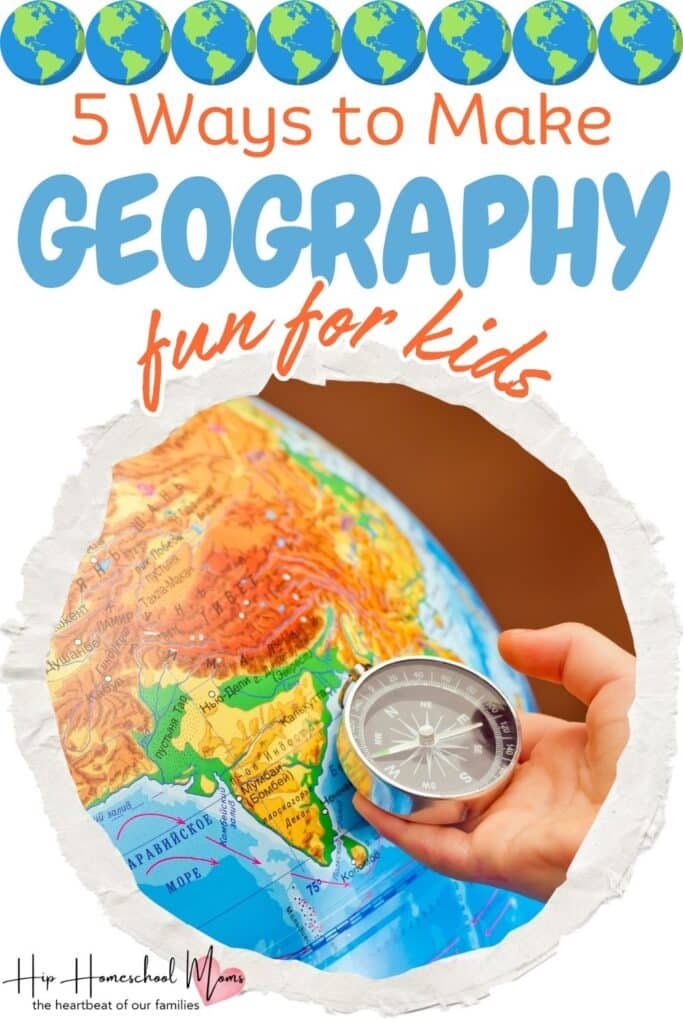
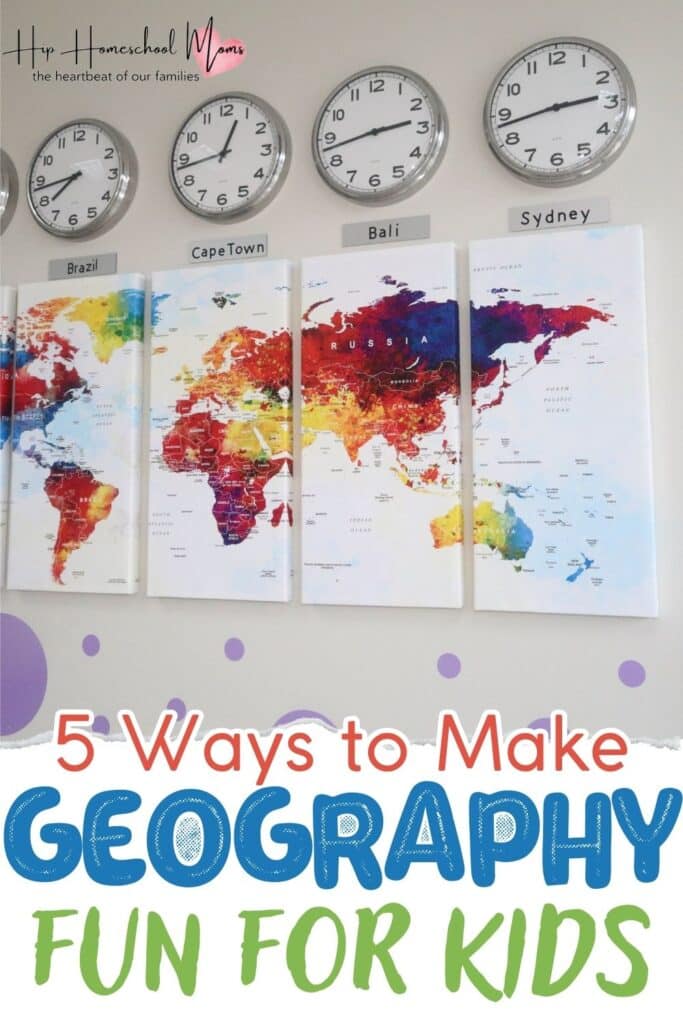
5 Ways to Make Geography Fun for Kids
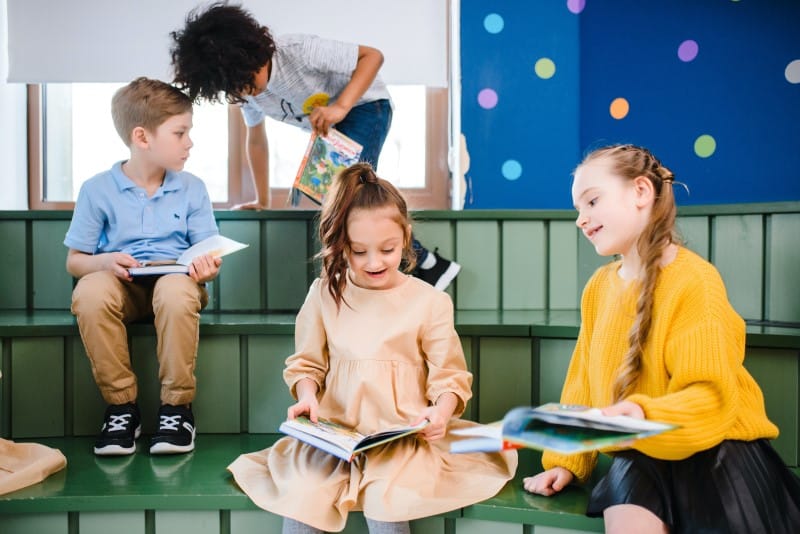
First, geography should introduce actual countries using good books or the internet. This takes geography from abstract ideas to concrete people and places that kids can relate to. Have your kids learn about countries from the same continent before moving on to another continent. This helps keep your child’s frame of reference in place and avoids confusion!
Second, keep geography lessons short. You want your kids to get familiar with the culture and landscape, including unique plants and animals, without getting overwhelmed. Hit the highlights. If you are using a fact-based book, look at the pictures and read the captions and the bits of information in bold print.
For younger kids, skip the government and history sections unless there’s an obvious reason not to. Keep it fun and fascinating.
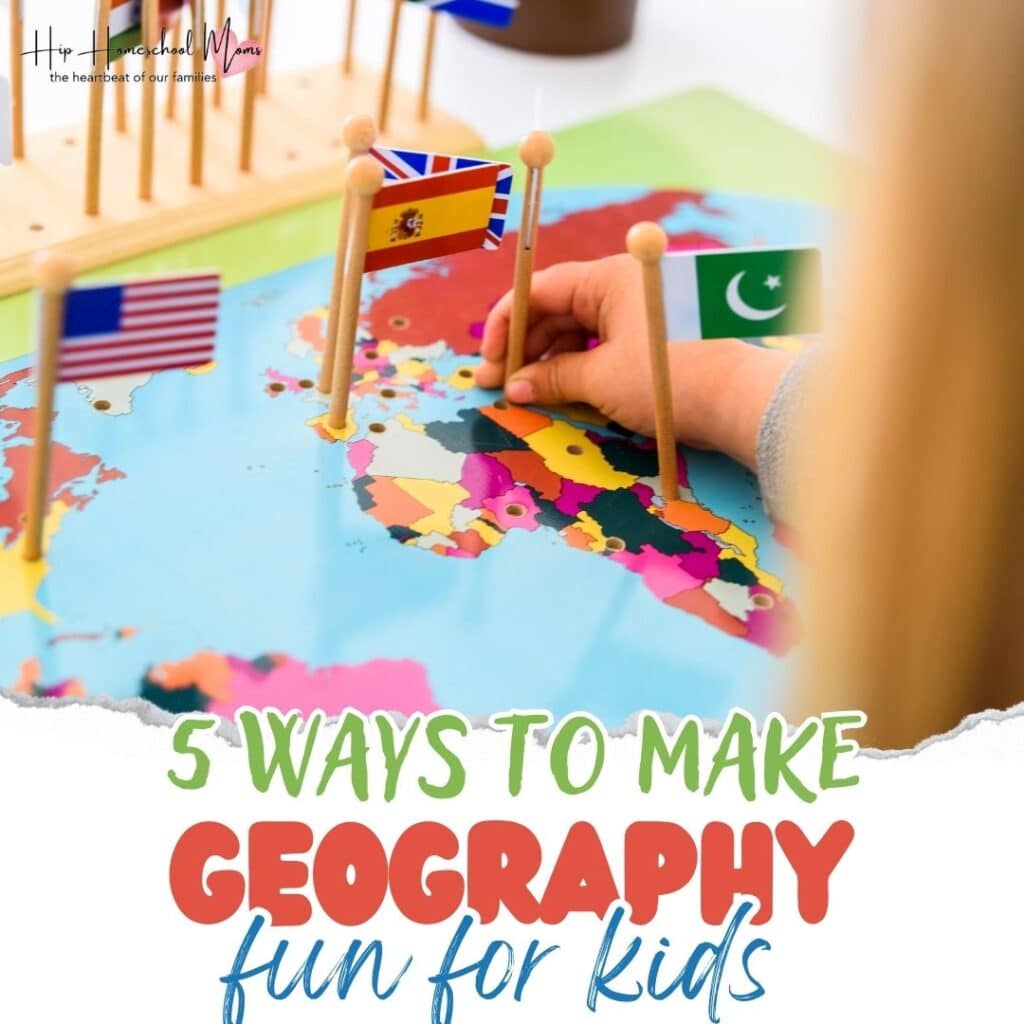
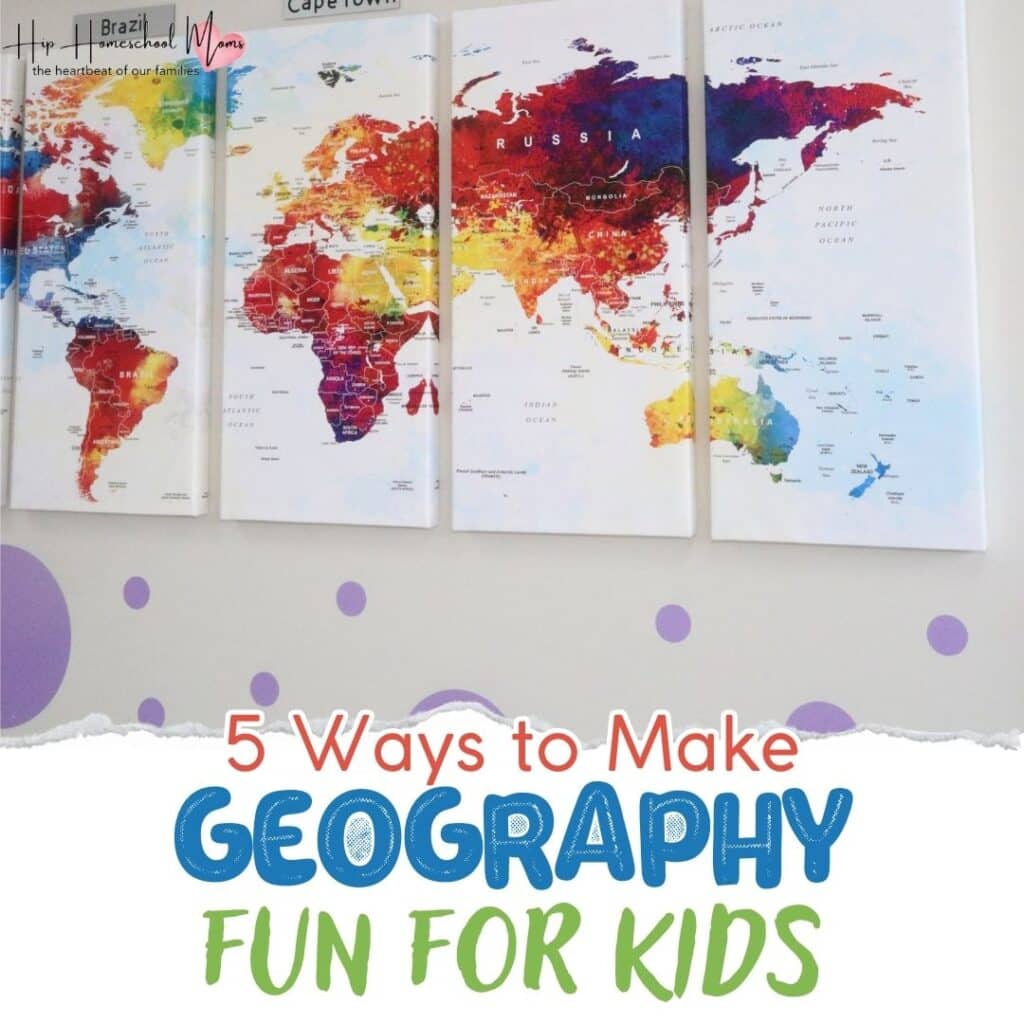
Third, do some short activities with flags and maps. Learning about flags can be a colorful way to make geography fun, and maps provide an opportunity to point out new geography words and definitions in an engaging way.
Here are a few activities you can do:
Find the Equator and show why some countries are warm and some are not.
Explain the Ring of Fire when your country is a part of it and draw it in.
Point out an archipelago when your theme country has that.
Play “I Spy” with clues that use the words north, south, east, and west.
Have your kids write about what they’ve learned. (If your child is younger, you can write down what he or she dictates to you.) What do the children remember from the books you’ve looked at or the pictures you’ve seen? What did they think was most fascinating about this country? What were their favorite animals? Would they want to live in this place, and why or why not? Again, keep it short and simple.
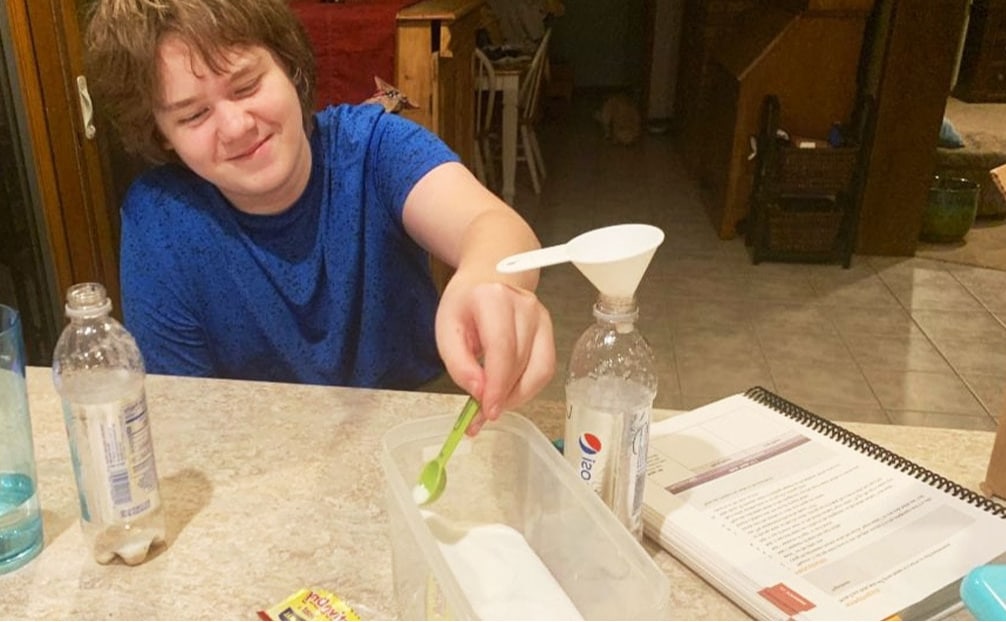
Last, a hands-on craft or project is always fun. Kids could color a coloring page or make a craft based on some unique feature related to the country they’re studying. Writing the name of the country on the project also helps them remember things they’ve learned. For instance, this continent map stitching activity is a hands-on way to help them remember the shapes and outlines of the continents.
You can also make geography fun by letting your kids learn all about various seasonal activities around the world. Depending on what time of year it is, check out this around-the-world traditions printable booklet series from our sister site, Only Passionate Curiosity:
Teaching geography includes maps, but it is much more than maps. The world is a big place, and kids should understand that many languages, cultures, and surroundings are far different from their own.
Exploring the world through geography should be an exciting adventure to share with your child, and these ways to make geography fun will hopefully help you all learn together.
Carol Henderson taught her 5 now-grown children for over 25 years as a homeschooling mom. She currently enjoys teaching elementary history and geography in a large homeschool co-op. She spends many hours creating activities and crafts each week for these classes, which are published in her geography curriculum at LetsGoGeography.com and on her history website, ABookInTime.com.
As a homeschooling mom, I’ve sometimes struggled to find reading resources that both my boys and I love, especially great math books. Over the years, though, we’ve gathered a list of not just good math books, but great ones! You know, the kind that your kids will read just for fun … and they’re learning important…
Review of Apologia’s Online General Science Class for Middle School Our son began his 8th grade year as a homeschooler this past fall. He has been homeschooled from the start, and we’ve always chosen his curriculum using an eclectic approach, mostly with the intent of catering to his strengths while moving his weaknesses forward at…
The Ultimate Homeschool Guide to FREE Educational Resources Sorted by Subject If you need resources, ideas, printables, or curriculum for your homeschool, there are lots of companies giving away freebies to families who are stuck at home right now and who need constructive, educational, fun things to do together! Whether you’re looking for some educational…
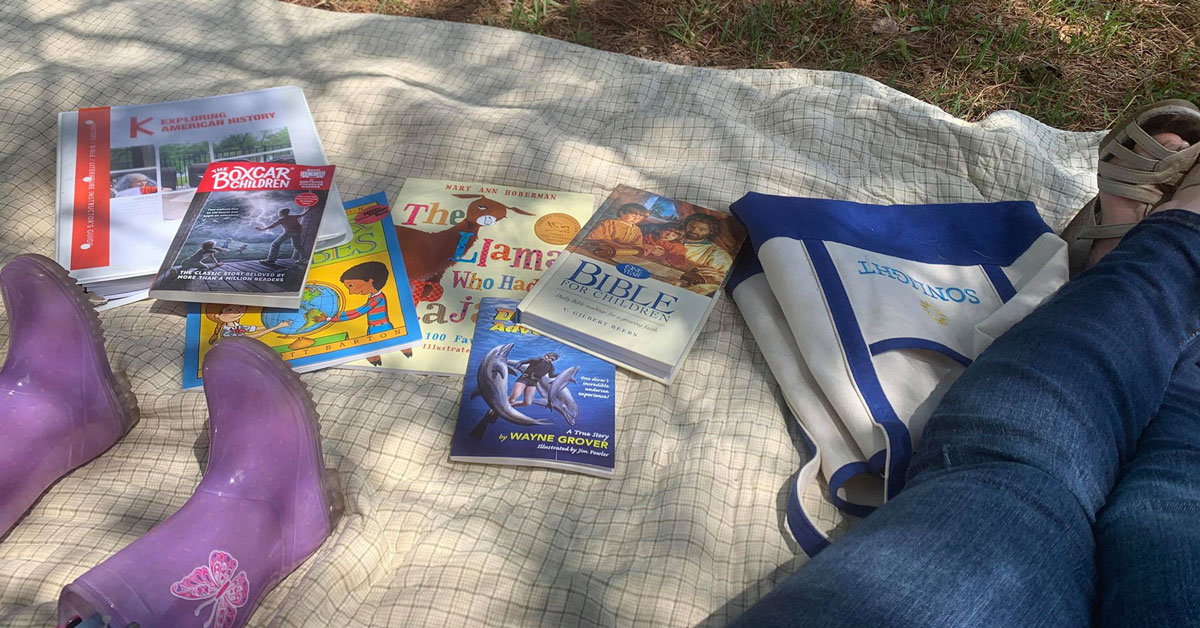
This is the History / Bible / Literature program Sonlighters have been wishing for—a delightful, age-appropriate Kindergarten American History program, done in Sonlight’s signature style! My name is Katie, and my daughter Kora is almost 5 years old. Even though she’s young, I’ve been homeschooling her for the past year, mostly via reading, educational play,…
“You’ve been homeschooling for how many years?” the young woman loudly exclaimed at the park where all the homeschooling moms were hanging out waiting for their children to finish state testing. “Mmmmm . . . 15,” I mumble under my breath as I watch a crowd begin to gather around the park bench. And then…
Welcome to the Hip Homeschool Hop! Hip Homeschool Moms co-owner Trish Corlew chose What I Learned About God from My Daughter (Who Has Autism) as her favorite post from last week’s Hop. Trish commented, “This article is so poignant yet beautiful! I can’t wait to read the rest of the series.” If you’re looking for…