This article is part of a series in which I attempt to answer questions collected for me from the Hip Homeschool Moms Community, about what it was like to grow up homeschooled. The first question that I want to answer is this one: “What is your favorite memory of being homeschooled?”
In a popular young adult novel called The Book Thief, which is supposedly narrated by Death itself, you can read about a little girl who is living with foster parents in the middle of World War II. She often has nightmares, and her foster father comes to sit in her room with her at these times. Commenting on this, Death says there is a definition of love that you won’t find in a dictionary. It is “not leaving.” The foster father doesn’t do much when he sits in the little girl’s room, but he also doesn’t leave her alone. For her, that is love.
When I look back on my childhood and education at home, my experiences sometimes seem to me a long series of moments in which my parents chose not to leave me. That “not leaving” is my favorite memory of being homeschooled. Looking back, I see how they decided not to leave my education to others. They chose not to leave my bad attitudes to someone else’s correction. They preferred not to leave my discoveries to someone else’s watching eyes. They wished not to leave my sorrows to someone else’s hugs. They wanted not to leave my delights to someone else’s enjoyment. They didn’t leave me.
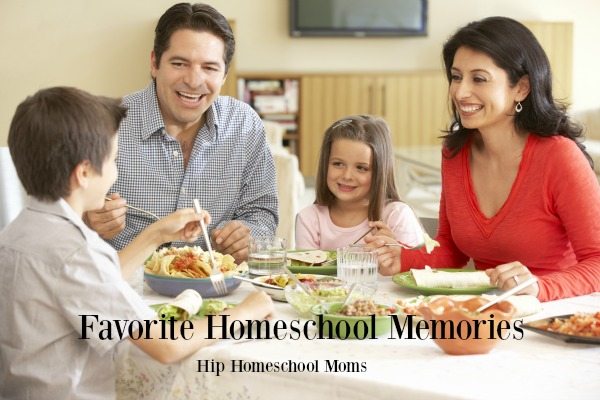
One of my favorite “not leaving” experiences was the daily dinner table. My parents are intelligent and interesting people who took personal delight in the education of their children. I think we were truly their favorite hobby. They didn’t leave us in order to enjoy a movie or an adult conversation (except for their weekly date night).
At dinner, my father would always ask each of us, “What was the best part of your day?” I learned positivity and gratitude from that, as well as the art of description. My parents talked to us about everything at the dinner table: media and culture, politics and religion, history and philosophy, God and geography. They didn’t leave us to learn about these things from just anybody, though at the same time they were careful to make sure that we understood multiple points of view, and they never required us to agree with them.
My parents also taught us manners at dinnertime. I recall that for a season, when six little children were constantly interrupting one another, Dad would keep a long flexible rod at the head of the table. With that rod, he could reach out and tap the head of any child who was interrupting to remind him or her to be courteous. We needed so many reminders, but it was a very gentle and funny way of teaching us to prefer one another above ourselves in conversation. They didn’t leave us to learn manners from other children or from teachers who were at a disadvantage in trying to teach thirty at once (if you think teaching manners to six children at one dinner table is hard, try thirty in one classroom)!
The dinner table is just one example of how “not leaving” affected my childhood. I could give dozens more. Nowadays I often meet young homeschooling mothers who worry that they don’t have what it takes to educate their own children. “I’m not an expert,” they say with love and worry in their eyes, “What if I ruin my children?” Sometimes I want to take their dear anxious faces in my hands, kiss their foreheads, and say to them, “You aren’t leaving. Everything else is just everything else, and you’ll get better at it. You aren’t finished growing yet any more than your children are. But in the meantime, you have already succeeded by not leaving. Thank you.”
For the last ten years, Christina Somerville has specialized in classical education and is the author of a high school Literature program for Tapestry of Grace. Christina has also authored Poetics , an independent textbook on the history of literature and on systematic literary analysis. She has taught for both a homeschool co-op and an online school and provides teacher training for homeschoolers. You can read more of her articles at her company’s blog, Love the Journey. You can read more from Christina at Lampstand Press.
Time to Link up with the Hip Homeschool Hop! Come on in and link up your blogs, facebook, and twitter pages! Enjoy visiting and making new friends with the ladies around you! Looking for homeschool supplies/books at a great price? Have something you’re not using and would like to sell? Visit our Hip List! …
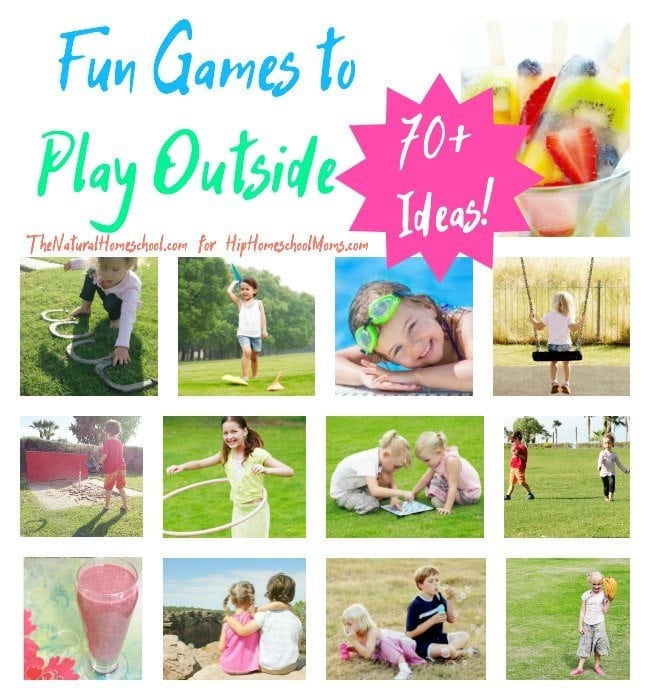
This is the post that you have been waiting for! Are you ready to see this super long list of fun games to play outside? We have 70+ ideas for you to look into and enjoy doing with your children this summer or anytime when the weather is nice outside. Most of them can be…
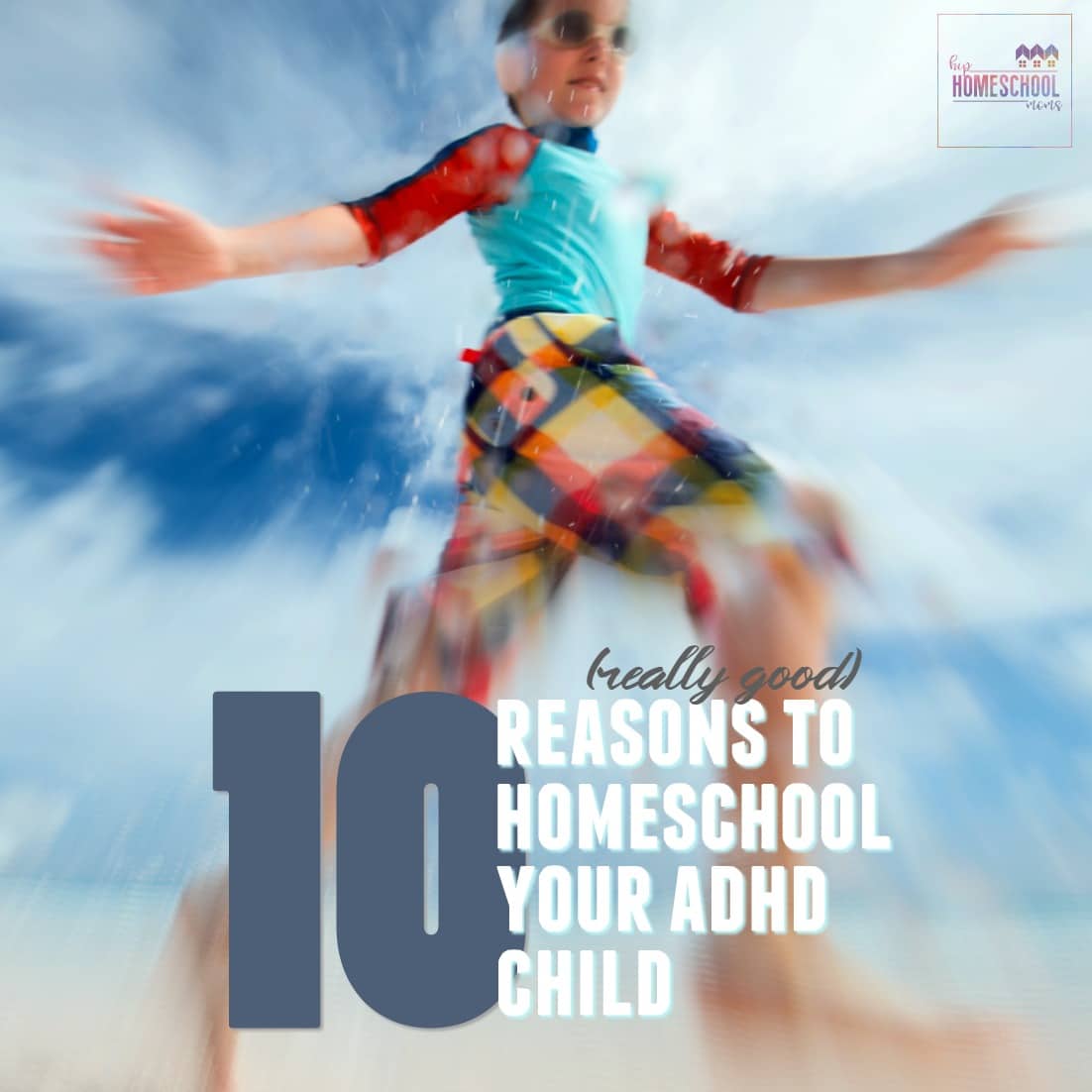
Let’s talk about reasons to homeschool a child with ADHD. Many parents of children who’ve been diagnosed with ADHD wonder if they should homeschool their children. If you are the parent of a child with ADHD, you may wonder if you even could homeschool your ADHD child because of behavior issues, learning difficulties, etc. Maybe…
Welcome to the Hip Homeschool Hop! Thank you for linking up with us on our Hip Homeschool Hop! We’re glad to have you. And if you’re here to take a look around and find some fun topics, good information, ideas, or support, we’re glad to have you too! But first we hope you’ll take a…
About two years ago, we uprooted our family and made a cross-country move from a mostly-suburban, part rural football town in the deep South to a small but eclectic city out on the coast of California – where jazz festivals and urban farmer’s markets abound. As we transitioned from homeschooling cross country, I found out…