
Character and Skills for Home and Career
Hip Homeschool Moms. A Vibrant Community for Homeschooling Families.


Leann is a homeschooling mama of an over-active 6 year old, proud wife of a cop, and pet lover of their two dogs, frogs, turtles – and cricket. Her blog, The Hands-On Homeschooler, chronicles their homeschooling journey, while throwing in tidbits about life, reviews, and recipes. Prior to being a stay-at-home mom, Leann taught math at a public high school for high achieving students. She and her family currently reside in the middle Tennessee area.
No more hours of boring, endless repetition – your kids will actually thank you for this interactive math curriculum! Each level has two student workbooks, but the teacher handbook is the main component of the program. All instruction is provided through one-on-one teacher instruction, which is the biggest difference between Horizons and the self-guided Lifepacs.
Another big focus in Horizons is hands-on learning using a variety of manipulatives, which can mostly be found around the house: pencils, pipe cleaners, play or real money, thread, a timer, clock, yardstick, etc.
Novice home-educators should not be intimidated by the amount of teacher involvement as it is carefully layed out in the beginning of each year’s teacher handbook. The teacher handbook also provides a variety of teaching suggestions and supplemental activities for additional practice.
For grades K – 8 (Algebra I)
TruthQuest History puts God back at the center of the past. Centered on “living books,” this creative approach to history integrates elements of both Charlotte Mason and Classical methods. Short, very informal introductions are written directly to the student and open up each topic with a distinctly Christian perspective. Suggestions for activities or writing exercises are often included as well. The booklists follow, with selected annotations on what pages or sections to read and appropriate grade levels for each entry. Incredibly flexible in nature, families can proceed at the pace that’s best for their students as they select “spines,” biographies, in-print books, and out-of-print classics from the extensive lists.
Proceeding chronologically, entries include lists for Cain and Abel, Hammurabi, Mummies, Hieroglyphics, King Solomon, Hezekiah, Persian Empire and other relevant unit-study topics.
Grades 5-12; may be adapted for younger siblings. 298 pages, softcover, spiral-bound.
Full resource list is included at the back of the book.
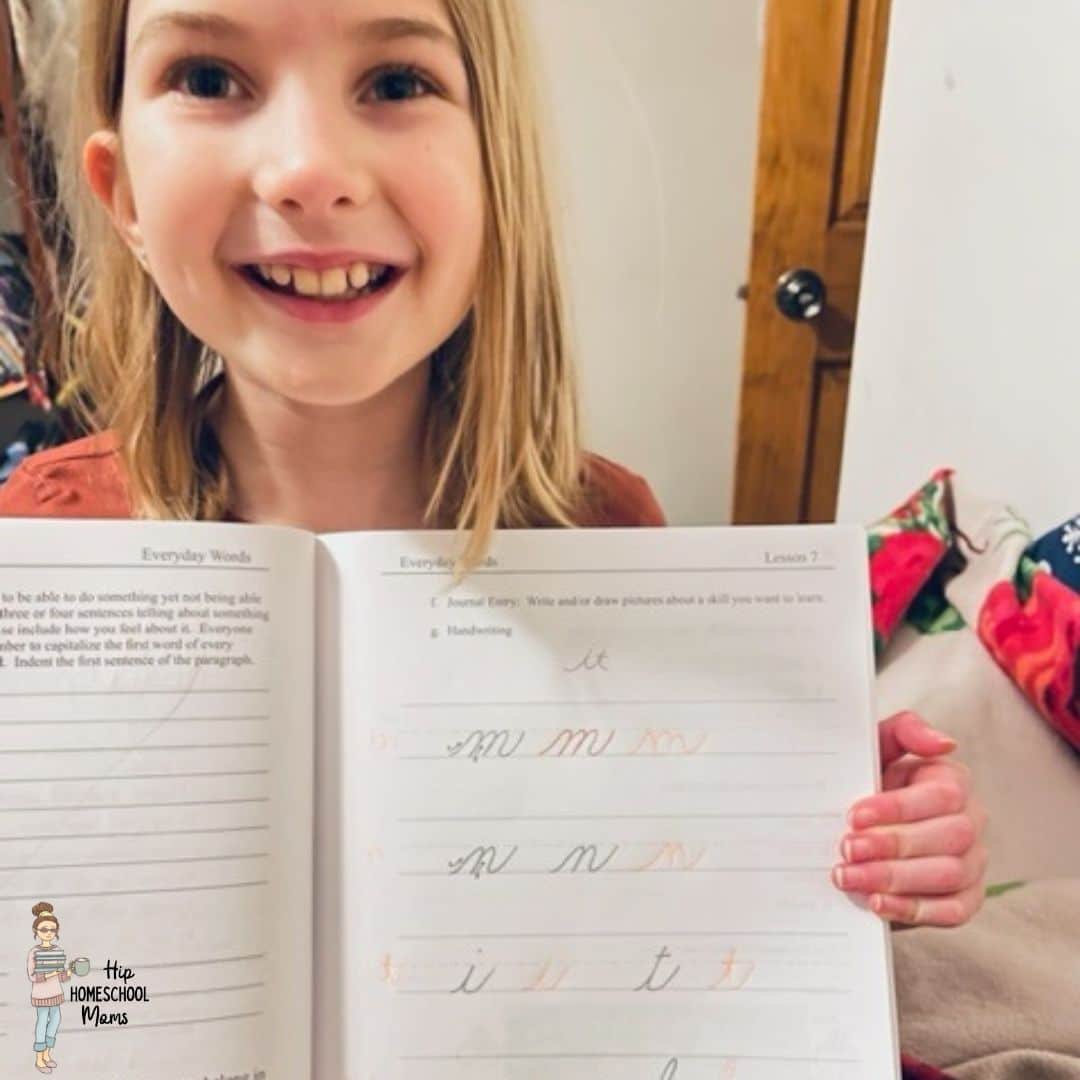
Language Arts Homeschool Curriculum Review: Learning Language Arts Through Literature Reviewed by Chellie Haight This year my daughter, Jana, is a third grader. She’s reading well enough that we have moved on from phonics to a complete language arts homeschool curriculum. We started our school year with different resources for spelling, grammar, reading, etc., and…
Latin for Children Primer is an engaging, incremental and creative text designed for students as young as 3rd grade. It contains clear explanations, illustrations, exercises, tests and a useful reference section, as well as a wealth of mnemonic aids (songs, chants) to assist mastery of vocabulary and grammar.
Recommended for grades 3-7.
Three levels are available, A-C.
Exploring Tennessee is a comprehensive Tennessee history curriculum containing 150 lessons divided into thirty units of five lessons each. It is written from a Christian perspective and designed to be used as a family study of Tennessee state history. We have targeted the material at fourth- through eighth-grade students, but children of all ages can enjoy studying the material together with their parents.
The Story of Georgia by Ray Notgrass contains 75 lessons divided into fifteen units of five lessons each. These lessons survey the history of the state from the Native Americans to the 21st century. They also provide information on the government, culture, and people of Georgia. Also included are suggested enrichment activities such as field trips, writing assignments, and crafts. The Second Edition is updated with full color illustrations.
The Logic of English® Essentials curriculum uses proven, research-based methods to teach students ages 7 to adult to read, spell, and write successfully. Easy to use, engaging, and fun, Essentials improves the spelling and reading skills of all learners by providing linguistically accurate phonics instruction, fluency practice, morphology and vocabulary development, grammar, and composition.
