I feel incredibly blessed to have been homeschooled all the way through high school. I consider it an immense gift from my parents. I was able to learn and grow at a rate that perfectly fit my capabilities. I was able to feel successful along the way and view school as something to be enjoyed instead of endured. Not only did I graduate with scholarship opportunities, I became a devoted advocate for homeschooling. When I get the chance to share my experiences, I always try to convey the principles and methods that mattered most during our homeschool years.
Firstly, we did not simply do school at home, we homeschooled. We read outside under the shade of a tree, we did experiments and activities together as a family, we took time for field trips and nature walks, and created an environment where learning happened naturally.
Artificial education threatens every homeschool. It looks impressive on the outside and tends to bring you comfort, but what is the result? Are you simply trying to measure up to your public school counterpart? In the back of your mind, are you thinking, “If I accomplish what they’re doing in the classroom my child will at least be normal.” What exactly is normal about twenty to thirty children being taught by one teacher? What’s normal about a child who must memorize factual information to pass a test and remember little afterwards?
Let’s not try to measure up to a failing system and start looking at education through a lens that measures success at a new depth of learning. Education can and should be enjoyable and thought provoking. It should produce opportunities for discovery and creativity.
Homeschooling must encourage children to think for themselves. The only way for this to occur is to move away from traditional methods and embrace the type of education that goes beyond the surface.
1: Subjects Connect
Learning should not be done through isolated subjects. Again, this is a product of the school system and managing large classrooms. Ask yourself this question. Do you think in different subjects? Our brains were created to recognize connections and learn through meaning. When children see how geography affected history, which connects to science and can all be solidified through literature, they see a big picture of what they’re learning about.
2: Great Literature is a Necessity
I can clearly remember the stories my mom read to us while gathered together on the couch. Classic books such as Strawberry Girl, The Trumpet of the Swan, Mr. Popper’s Penguins, The Pilgrim’s Progress, and on and on. Living books touch the heart and pull you into the story. We also read biographies and historical fiction that brought entire time periods to life in the way that only a great story can.
3: Discussion Develops Critical Thinking
Discussion should be an integral part of each day. Discuss the story you’re reading, the results of an activity, the consequences of a decision in your history studies, etc. Learn along with your child and you will find a whole new way of relating to them.
4: Multi-Sensory
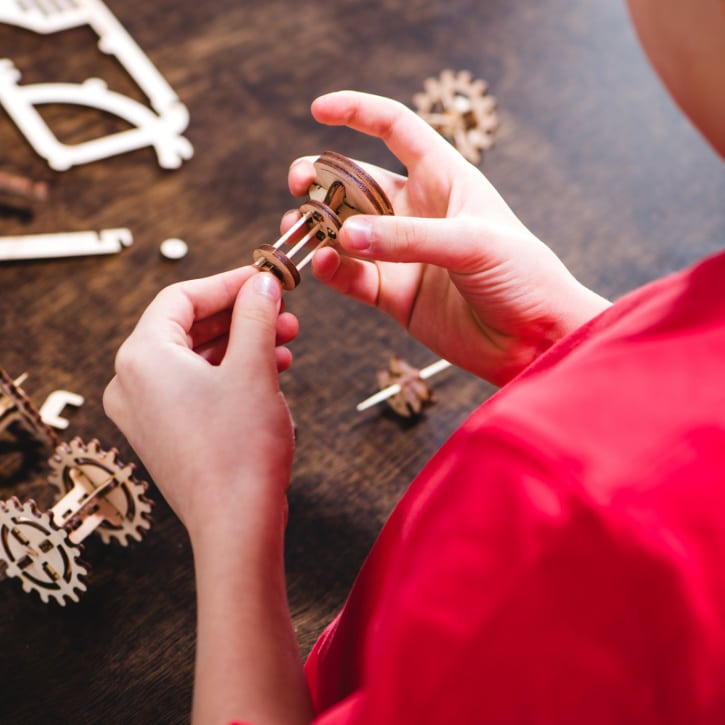
Textbooks are generally written to accommodate one type of learner, a visual learner. When homeschooling, multi-sensory learning, or learning that involves all the senses, is the most effective. Activities do not have to incorporate a huge mess and take all day, they can be simple. We have come to view activities as the optional “extra” to be done if there is time when the activity is often the most important part of the lesson. As much as possible provide time for creativity, experiments, and active learning that greatly enhances your homeschool.
5: Fosters Relationships
Don’t see yourself as just a teacher. You are the one who gets to learn and journey through school with your children. Many parents view school as a task or job to be completed, but want their children to develop a love to learn. If it is your desire for your child to love learning, you must first show them what there is to love. Share what you’re passionate about with your child and look at school as an adventure!
Do you find yourself looking at this list thinking, “Well that’s nice, but what about test scores? What about the real world?” I am a product of this method of education and can say that being taught to think outside the box and evaluate what I’m being told instead of just accepting it, has prepared me for the real world in more ways than I can tell. I left home with a confidence in myself that enabled me to accomplish goals and envision a future. I still love to learn today, because of the way that I was taught.
Don’t give in to the voice that tells you real education must fit into a traditional box. I am living proof that you can successfully home educate your children using natural, enjoyable methods.
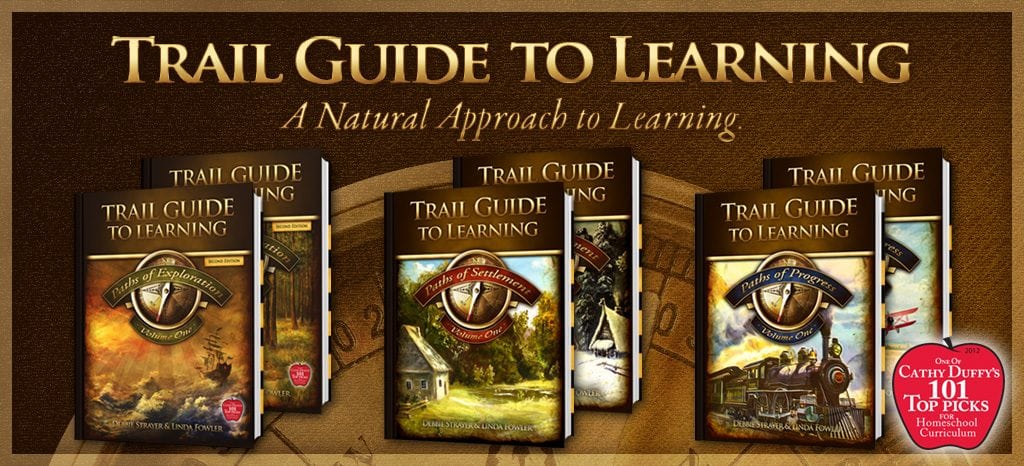
Ashley Wiggers is the author of the Profiles from History series and Public Relations Director for GeoMatters. GeoMatters is the publisher of such educational materials as Trail Guide to Learning (currently grades 3-7), a complete curriculum incorporating every subject but math, taught with a natural and unified approach. The Trail Guide to Learning series was written by Ashley’s mother, Debbie Strayer, and fully utilizes the methods discussed in this article. To learn more, visit us at www.TrailGuidetoLearning.com.
Character-building is one of the things I’m most thankful to be able to include in my homeschool! Yes, it’s important for our children to be well educated. But if they don’t also have good character, they may not get far in life. (Yes, we all know–or know of–people who don’t have good character who have…
Welcome to the Hip Homeschool Hop! Let’s take time to make some bloggy homeschool friends today! Looking to meet like-minded Homeschooling Moms? Stop by and browse through our Ultimate Homeschool Blogroll, and add your page if you aren’t already listed there! Now, on to the HOP… Don’t forget to grab the Hip…
Are you ready to Hop?! Come on in and link up those blogs, facebook, twitter, and blogfrog pages! And while you’re here, enjoy visiting some of the ladies around you! Apologia Twitter Party! We’re partying with Apologia TODAY – Tuesday, August 16th at 8pm cst, and we want to invite you to join! You can…
How we see things is so important! For example, one might be looking at the world through rose colored glasses. In Dorthy’s case she had to wear green spectacles so the brilliance of the emerald city wouldn’t blind her, or at least that’s what she believed until she found out Oz was a great humbug!…
It’s week 4 of the Hip Homeschool Moms Book Club! If you’re just joining us, you can get a copy of the version of the book we’re using here. We’ll be discussing Chapter 4 this week in the Hip Homeschool Moms private Facebook Community. If you’re not part of the community, you should be! We…
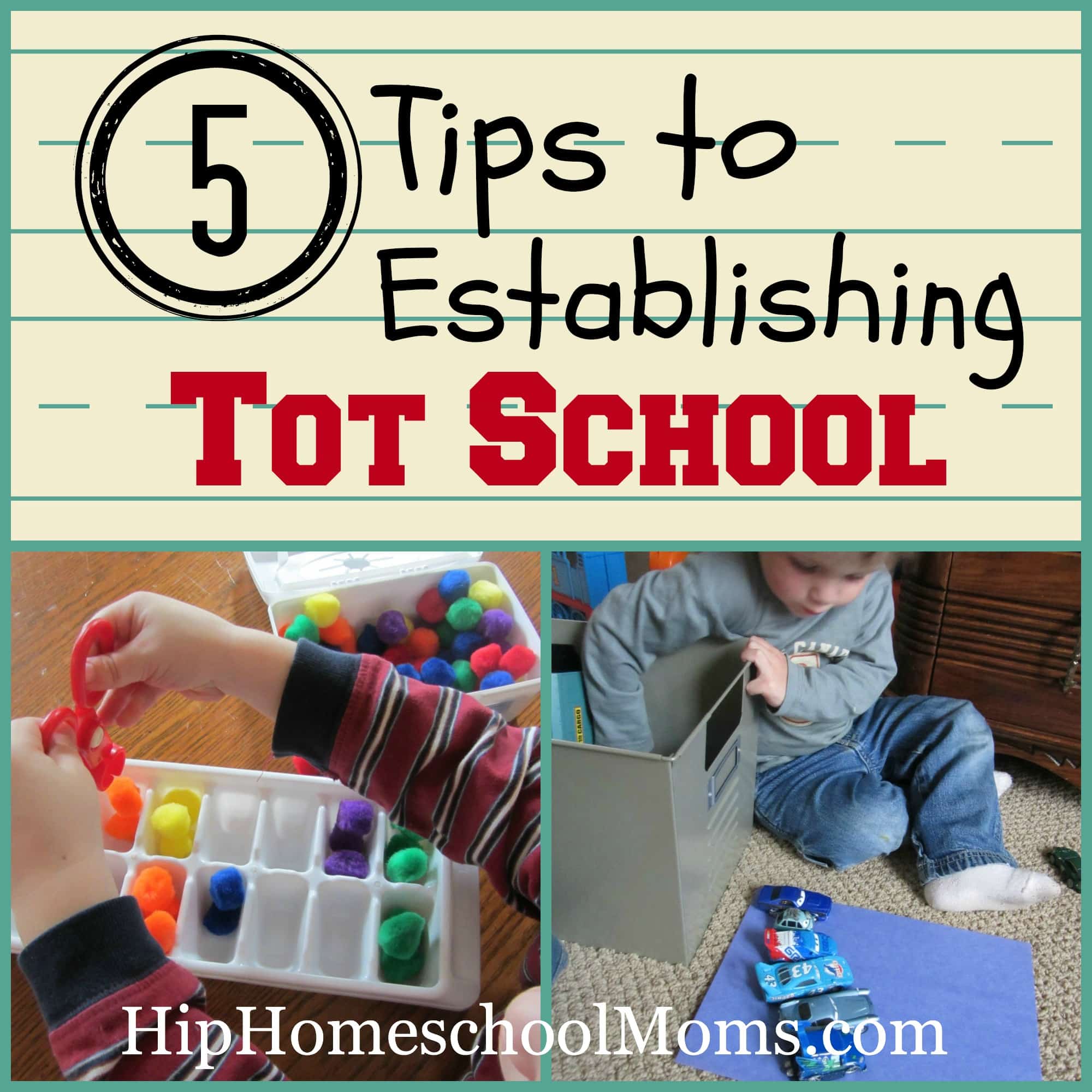
With only a few more days of summer freedom, I am acutely aware of how curious my toddler has become and why I need to start a tot school. At the start of the school year last fall, he was a little bundle of blue lying sweetly in a bassinet. I spent the majority of…
One Comment
The Trail Guide to Learning & Debbie Strayer (Ashley’s mother) was the #1 influence in our homeschool in the beginning! I’m so grateful that God sent them our way because our “hands on learning” has developed because of these very ideas. Love it! Hey Ashley!!!! (waving from Florida) 🙂





The Trail Guide to Learning & Debbie Strayer (Ashley’s mother) was the #1 influence in our homeschool in the beginning! I’m so grateful that God sent them our way because our “hands on learning” has developed because of these very ideas. Love it! Hey Ashley!!!! (waving from Florida) 🙂