
TruthQuest Age of Revolution II
Hip Homeschool Moms. A Vibrant Community for Homeschooling Families.

Leann is a homeschooling mama of an over-active 6 year old, proud wife of a cop, and pet lover of their two dogs, frogs, turtles – and cricket. Her blog, The Hands-On Homeschooler, chronicles their homeschooling journey, while throwing in tidbits about life, reviews, and recipes. Prior to being a stay-at-home mom, Leann taught math at a public high school for high achieving students. She and her family currently reside in the middle Tennessee area.
Classical Phonics is a deceptively simple little book our teachers and families use constantly in both kindergarten and first grade. It consists of phonetically arranged word lists for students to practice their growing phonics skills. In a word list there are no context clues, so the learner must rely on his mastery of letter sounds. For instance, if your child can pronounce each word in this list correctly – pot, pat, pit, put, pet – he knows his short vowel sounds, and you can move on to long vowels! If not, he needs more practice, and Classical Phonics is the most effective tool we know of to address the repetition that young ones need when learning to read. Classical Phonics can be used as a supplement to any phonics program, and covers nearly all English phonograms and sounds taught through second grade. Classical Phonics is your handy tool for phonics practice and for building confident readers.
In Foundations students gain phonemic awareness, learn to read and write the 74 basic phonograms, and increase reading fluency through structured but playful activities. The innovative Rhythm of Handwriting™ method aids students in developing fluid handwriting. Step by step, students grow as readers, moving from phrases to sentences to paragraphs to books.
Using evidence-based reading instruction methods, Foundations combines multi-sensory learning with the latest in linguistic research to provide students the best possible foundation for education: strong reading and writing skills.
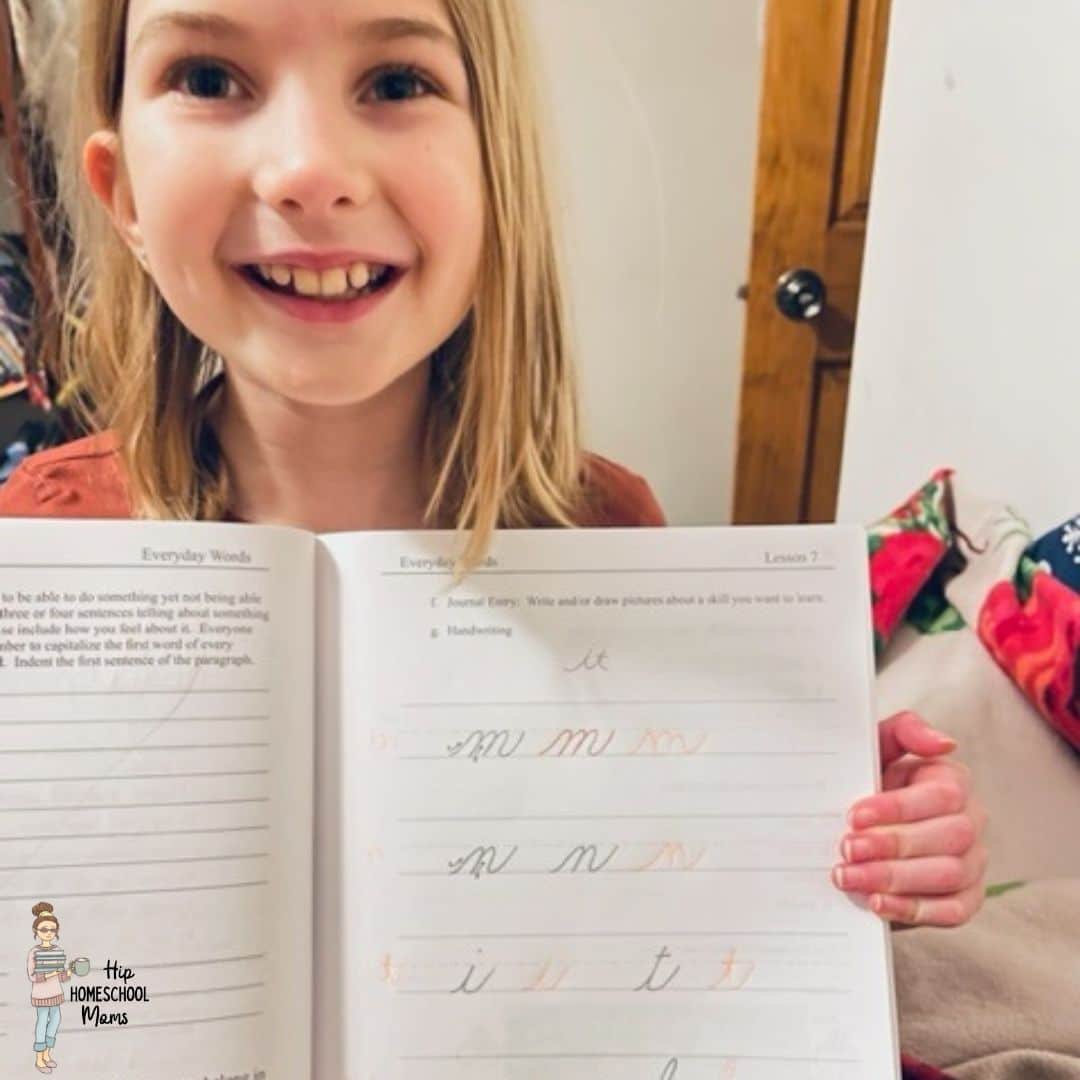
Language Arts Homeschool Curriculum Review: Learning Language Arts Through Literature Reviewed by Chellie Haight This year my daughter, Jana, is a third grader. She’s reading well enough that we have moved on from phonics to a complete language arts homeschool curriculum. We started our school year with different resources for spelling, grammar, reading, etc., and…
TruthQuest History puts God back at the center of the past.
Centered on “living books,” this creative approach to history integrates elements of both Charlotte Mason and Classical methods.
Short, very informal introductions are written directly to the student and open up each topic with a distinctly Christian perspective. Suggestions for activities or writing exercises are often included as well. The booklists follow, with selected annotations on what pages or sections to read and appropriate grade levels for each entry. Incredibly flexible in nature, families can proceed at the pace that’s best for their students as they select “spines,” biographies, in-print books, and out-of-print classics from the extensive lists.
Proceeding chronologically, entries include lists for the Jamestown Colony, Changes in Russia, Painters of the Era, Pilgrims, Plymouth Rock, Native Americans, Baroque Art, Puritan Revolution in England, the Scientific Revolution, the French Revolution, and other relevant unit-study topics.
Grades 5-12; may be adapted for younger siblings. 298 pages, softcover, spiral-bound.
Full resource list is included at the back of the book.
Providing students with an overview of world history from creation to the present day, Exploring World History from Notgrass Company is a full-year high school course that presents history from a Christian perspective. This course is comprised of two primary texts and a volume of primary documents. Each textbook unit is filled with conservational chapters and many full-color photographs of archival images, artifacts, and locations. In addition to reading the history narrative about events, issues, and people from around the world and across the centuries, students will read original documents, speeches, poems, and stories in In Their Words. They will also read classic literature (in books obtained separately) that help bring to life the time periods they are studying. Units begin with a summary and list of lessons, memory work, books used, and a project. Each lesson ends with readings from the book In Their Words, additional literature assignments, and instructions for questions and quizzes (quizzes and tests themselves are in the sold-separately Exploring World History Quiz & Exam Pack).
This updated 2014 edition features hundreds of color illustrations and photographs. In addition to a thorough survey of Western Civilization, it offers expanded coverage of Latin America, Africa, and Asia.
150 lessons; 50-60 minutes on each subject each day (total of 2.5-3 hours per day). This course, when all assignments are completed, provides one credit of world history, one credit of English, and one credit of Bible.
Jr. Analytical Grammar is intended to introduce the ideas of English grammar to younger students. It is designed to be taught in an 11-week grammar “season” in either 4th or 5th grade. Created in response to requests for materials for younger students, it covers the same material found in the first season of Analytical Grammar, but the exercises are shorter and the reading level is lower. It is also more “interactive.” Rather than the student reading notes, the “notes” are really a series of questions and activities designed to help the child understand the concepts. For grades 4 and 5.
